As technology continues to evolve and influence the everyday work life, during the last three decades we have seen an enormous shift in the way technology affects the daily life. Technology influences the way we communicate, learn, interact and work.
If you have been following my blog, you know that job burnout is a negative occupational outcome that develops due to prolonged chronic stressors during the job.
Implications for data and privacy
The use of technology has literature supporting both positive and negative aspects in direct relation to burnout and stress. The best way to prevent technostress is to secure the workplace organizational culture and provide support when implementing new technology. Negative attitudes should be avoided and support from management and colleagues is important, as well as the possibility of further qualifications. Specific awareness of the middle-aged group should be made to better support their work–life balance (Berg-Beckhoff et al., 2017).
Historically, healthcare professionals have faced unique barriers to seeking mental health treatment, including a competitive culture and concerns related to privacy and career repercussion. There is data that supports that physicians are less likely than non-physicians to seek medical treatment or therapy from mental health professionals, often due to fear of consequences to their careers. Physicians also have a higher rate of depression, burnout and suicide compared with the general public, and the problem is not limited to physicians—nurses also have an increased suicide rate (Boydell et al., 2014).
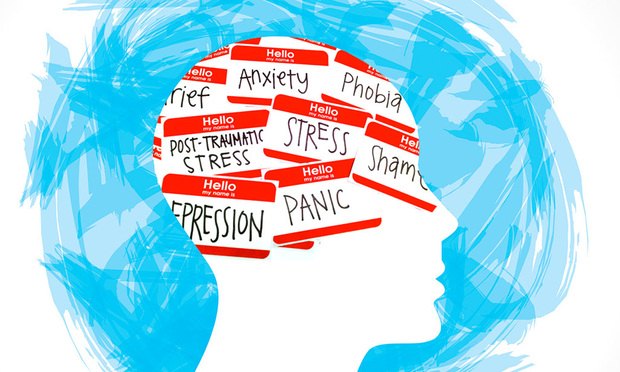
Lack of action to address the mental health needs of medical professionals has, in some cases, been exacerbated by medical settings. Specifically, with providers sometimes associate significant feelings of distress with their professional identities, preferring to hide feelings of worry, anxiety and shame to avoid drawing attention to self-perceived weakness. These feelings, combined with more access to lethal means, have the potential to increase the suicide rate among medical professionals and those professionals that are also providing behavioral health services (Boydell et al., 2014).
The use of technology–
Often, burnout can be the result of having too much to do without enough time in which to do it. If you’re a provider, you don’t want to spend your time pulling charts or performing other similar clerical tasks. One way to prevent burnout is to redesign the workflow and allow professionals to do the work no one else can do.
Figuring out how to adapt workflow so everyone is making the best use of their time requires complex thought, especially when the organization in question has many employees. However, the work you put into a redesign will pay off in the long run as each employee can focus more on the core duties of their job.
Utilizing an electronic health records (EHR) system goes a long way in reducing the incidence of burnout for mental healthcare professionals. Using the wrong EHR can contribute to stress for clinicians, so it’s important to choose one that is specially designed for behavioral health professionals.
EHRs can remove the stress and time drain associated with creating documentation the traditional way, and often can help with administrative tasks like scheduling and sending out appointment reminders. Some EHR systems feature patient portals that make for easy communications safeguarded by HIPAA protections. An EHR helps clinicians use their time efficiently and for the most impact, thereby reducing the emotional exhaustion that drives burnout.
References:
Boydell, K. M., Hodgins, M., Pignatiello, A., Teshima, J., Edwards, H., & Willis, D. (2014). Using technology to deliver mental health services to children and youth: a scoping review. Journal of the Canadian Academy of Child and Adolescent Psychiatry = Journal de l’Academie canadienne de psychiatrie de l’enfant et de l’adolescent, 23(2), 87–99.
Berg-Beckhoff, G., Nielsen, G., & Ladekjær Larsen, E. (2017). Use of information communication technology and stress, burnout, and mental health in older, middle-aged, and younger workers – results from a systematic review. International journal of occupational and environmental health, 23(2), 160–171. https://doi.org/10.1080/10773525.2018.1436015
 Awareness for burnout in Mental Health Care workers